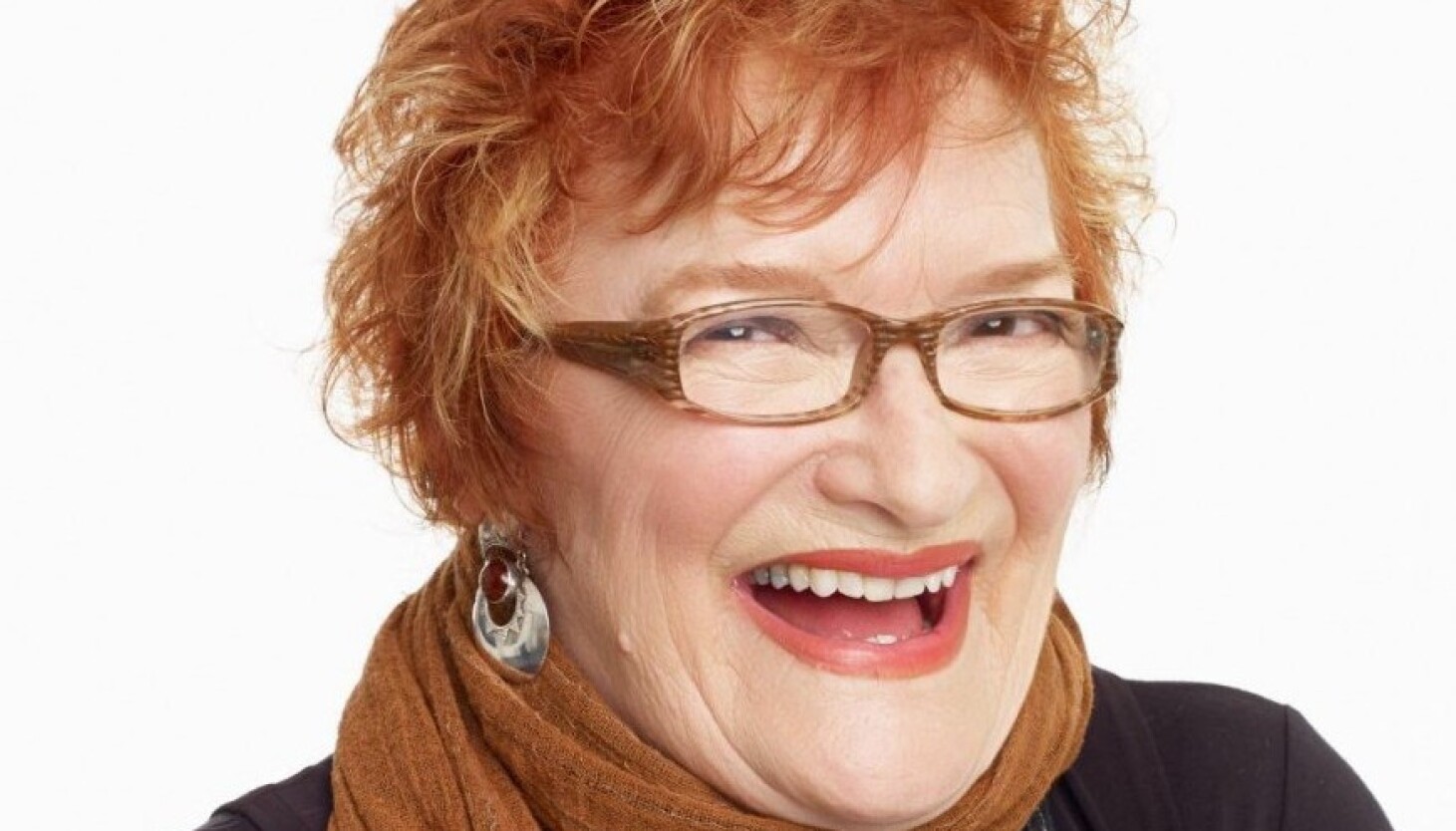
For Elle Seibert, learning to live with the effects of long COVID has been an ongoing challenge over the last four years.
“I would really struggle to make it through a workday,” Seibert said. “I wasn’t doing physical labor at my job; I was typing on a computer.”
Her condition has made holding a traditional 9-to-5 job difficult, so she turned to consulting and driving for Uber. But as a young, single person, she is worried about her financial future.
“I don’t have a partner paying my rent. I don’t have a family couch to sleep on. If I even just get a cold while I’m at work, then I can’t drive for a few days,” she said.
“I got COVID in July 2022, and I got up that day, and I felt horrible. Then, I just didn’t get better,” said Beth Nishida, who is also struggling with long COVID.
Her symptoms include extreme exhaustion, brain fog, migraines and a nervous system disorder called POTS. She had to retire from a job she loved as a special education administrator.
Nishida said she’s frustrated that Los Angeles County isn’t doing more to help people like her and Seibert, whose lives have been upended by long COVID.
“If you look at the LA County website, their own statistics show that in 2023, over 630,00 people in LA County had long COVID,” said Nishida. “But I can’t figure out that anything was actually done to address the needs of those people.”
“This is an ignored problem in Los Angeles County,” said Dr. Jeffrey Klausner, an infectious disease expert who is part of Keck Medicine of USC’s COVID Recovery Clinic.
“It’s not only affecting physical health and mental health, it’s affecting people social-economically,” said Klausner. “There’s people that have estimated the cost of long COVID to the county might be as high as $12 billion.”
“If you lose the ability to work, long COVID becomes a labor issue,” said Seibert. “Now if you can’t work, how are you going to pay your rent and bills? Then long COVID becomes a housing issue.”
Seibert and Nishida are patients at Keck Medicine of USC’s COVID Recovery Clinic, and they also serve with Dr. Klausner on the community advisory board. Together, they hope their advocacy will lead the county to set up a task force focused on the matter.
“Let’s get the smartest people in the county together; let’s get the advocates, let’s get the doctors, let’s get people who are therapists, occupational, physical therapists, people who deal with housing and other economic issues, and get them around the table on a regular basis for 12 months,” Klausner said. “And let’s come up with recommendations.”
He says one of the task force’s goals would be to establish a hotline to help connect those suffering from long COVID to available resources. But he and his patients are still waiting for Board Chair Hilda Solis to put the issue on the agenda and up for debate.
Meanwhile, for patients like Seibert and Nishida, their new normal has meant slowing down and learning to pace themselves. Occupational and physical therapy can help, but there is no cure, and not everyone deals with the same symptoms.
Nishida has turned to photography to express her feelings of brokenness, but also as a way to focus on beauty and hope. She also uses it as an outlet to share hope with others who are also suffering.
“Then I think my life does have purpose, it does have meaning, and it makes a big difference,” she said.
NBCLA has reached out to Solis for comment on establishing a long COVID task force, but has not received a response.
About the Author

Discover more from USA NEWS
Subscribe to get the latest posts sent to your email.