
Editor’s Note: This story was produced by Public Health Watch and is republished here with permission.
Throughout their two decades together, Kay and Brian raised their family and shared the ups and downs of daily life. She was an educator with a gift for math and coding; he was a prankster who loved to make people laugh and a born caregiver who was a trusted confidant to many.
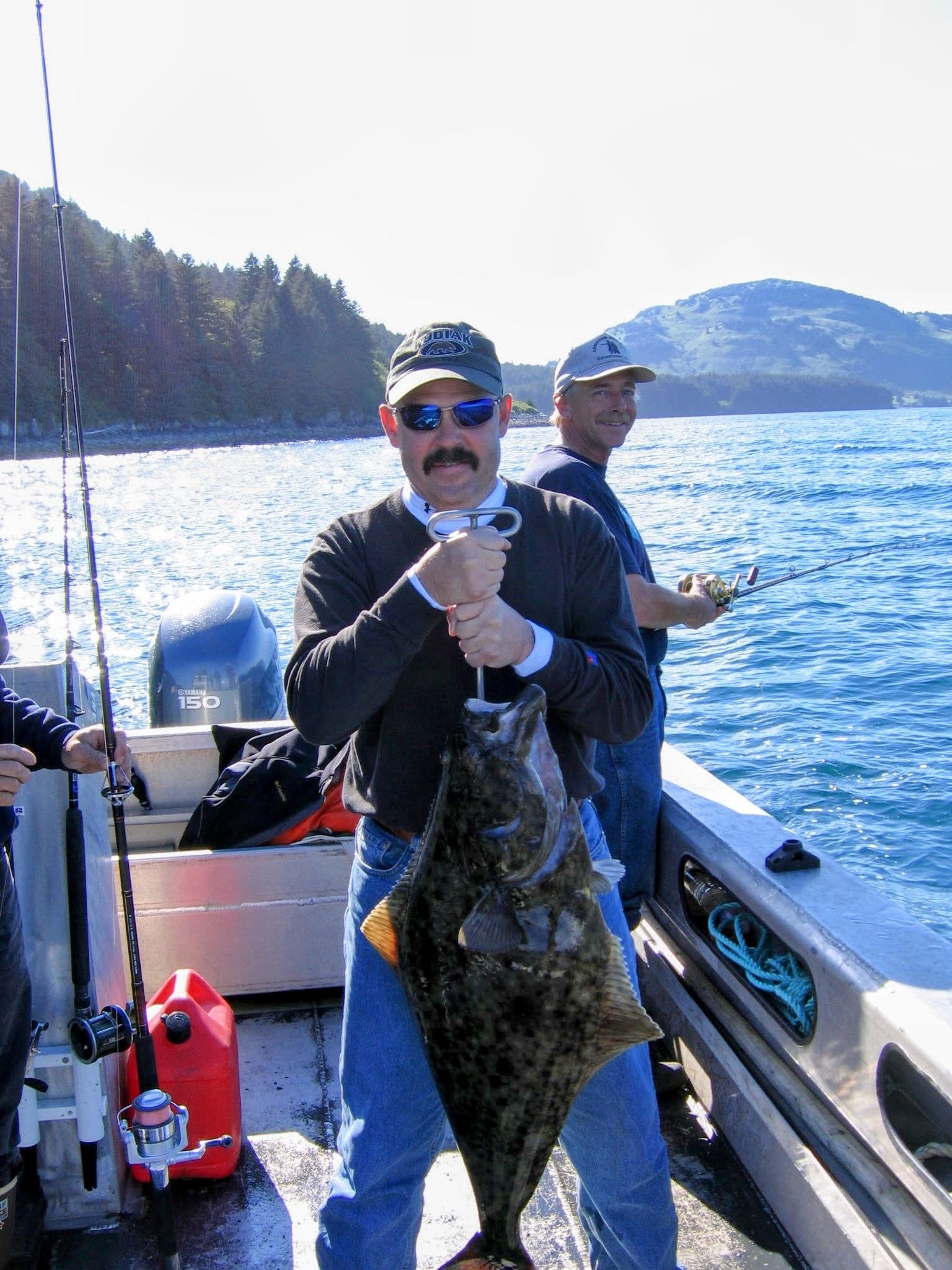
The couple especially enjoyed spending time hunting and fishing together near their rural Anderson County home in East Texas.
For Kay, those memories are precious. Since losing Brian in 2017 to firearm-related suicide, she found that being in the woods, sitting in a deer stand or casting a line helped her reconnect most deeply with their life together.
“I just felt so at home and so close to him,” said Kay, who asked that she and her husband be identified only by their first names for privacy reasons.
Choosing her words carefully, Kay said she recognized that Brian had been going through something in the months prior to his death, but she didn’t have the education or experience to recognize the warning signs that he needed help.
Discussions involving mental health and firearms can be fraught in Texas, especially in a deeply conservative area like East Texas, where a culture of self-sufficiency and gun ownership runs deep. And it’s costing lives. Of the 4,389 gun deaths in Texas in 2024, more than 63 percent—or 2,779—were suicides, according to records obtained from Johns Hopkins University’s Center for Gun Violence Solutions.
East Texas is among the hardest-hit regions in the state. Panola County, which includes the town of Carthage near the Louisiana border, had among the highest rate of gun suicides in Texas from 2020-2024, with 27.1 suicides per 100,000 people, according to state records.
Other counties in Deep East Texas—Henderson, Anderson, Cherokee, Van Zandt and Rusk, for example—also had high rates, with gun-related suicides accounting for more than 70 percent of all firearm deaths.
At the same time, access to mental health treatment and facilities in East Texas is limited by a sparse number of providers, lack of health insurance among residents, poverty, and transportation problems.
“It is very safe to say that we are in a mental health desert in the state of Texas,” said Steve Bain, Ph.D., a Texas A&M Kingsville professor of counseling who studies mental health care access.
“Out of the 254 counties in Texas, only about six of those are not considered mental health provider shortage areas,” Bain said. “In other words, everybody is short mental health, psychologists, psychiatrists, counselors, social workers. Everyone is short. You’ve only got six counties who were like ‘Yeah, we’re doing pretty good,’ and most of those are urban counties.”
The concentration of gun suicides traditionally is higher in rural areas. Across the nation, 63 percent of suicides in rural areas involved firearms, compared to 50 percent in large metro areas, according to Johns Hopkins research.
Even if mental health resources are available in a region, they may be so distant that people won’t have the time, transportation or financial resources to access them, Bain said. And the situation is even more dire for minorities living in Texas, especially those in rural areas.
“They fare even worse, in terms of availability and accessibility,” Bain said. “And then you’ve got a culture that says, ‘Well, you don’t talk about your problems.’”
Brian worked as an emergency room nurse for many years, and loved to host family, friends and their families at the couple’s home on Lake Palestine. He enjoyed taking them out on the jet ski or pulling the kids in inner tubes on the water, Kay said.
“Those were some of the most joyous times,” she said. “He just loved to have fun, whether it was with his work friends or with his family. There was just a lot of laughter.”
Brian was also a skilled handyman who built and fixed things around the couple’s home.
“What was fun about that was that we would do that stuff together,” Kay said. “I would get what he needed and he would teach me.”
Despite a knack for brutal honesty, Brian was also deeply kind and supportive of the people in his life, Kay said. He was an especially strong advocate for the women in his life—colleagues, his daughters, his wife.
Kay has found healing—and purpose—by working with East Texas support groups that focus on mental health and suicide prevention. Connecting with fellow survivors and advocates has allowed her to process Brian’s death and use her experience to help educate others about how to offer, or receive, help when needed.
Like others who spoke to Public Health Watch, Kay said that reducing the stigma around asking for or accepting help and normalizing conversations about how to help someone in crisis—whether that’s asking to temporarily hold on to someone’s car keys or offering secure storage of guns or ammunition—is imperative for saving lives.
The discussions must go beyond the political discourse surrounding firearms in Texas, advocates say.
While we have gotten better at talking about mental health and suicide, “It’s still in whispers,” said pediatrician Sandra McKay, an associate professor and division chief of community and general pediatrics at the University of Texas Health Science Center in Houston.
A gun owner herself, McKay started Target Safety, a collaboration between licensed firearm dealers and health care officials to provide safe storage of guns outside the home when needed temporarily for suicide prevention or other reasons. McKay said putting “time and space” between someone who is struggling and their firearms can be critical.
Some states have turned to laws known as Extreme Risk Protection Orders, or ERPOs, civil actions that allow judges to prohibit gun possession temporarily for people deemed a danger to themselves or others.
More than 20 states from California to Maine, plus Washington, D.C., have some form of ERPO legislation. Texas took a different approach, however, with lawmakers passing a bill in 2025 that bans authorities from honoring ERPO orders from other states.
The Texas legislation, known as the Anti-Red Flag Law, went into effect in September. It was sponsored by Republican state Senator Bryan Hughes, who has represented East Texas in the Texas Legislature for two decades in a district that stretches across northeast Texas, including Panola County. Hughes did not respond to a request for comment.
Gun rights advocates argue that ERPO laws are easily abused through false allegations against firearm owners, setting gun owners up to lose their 2nd Amendment rights. Gun safety advocates argue that the U.S. Supreme Court has ruled that the laws do not violate constitutional rights, and that some ERPO laws have built-in protections, including penalties for someone who makes false claims.
But the lines are not always drawn so clearly.
“In some cases, the Red Flag Law becomes a barrier rather than a solution,” said Dave Lewis, an Air Force veteran who is now director of Harris County’s Veterans Services Department. He said gun owners may fear they will lose their firearms if they seek assistance.
“It looks like an easy solution, but it may be a barrier to seeking mental health help,” he said.
There are no official records on the number of gun owners in Texas, but research indicates that there are more than 32 million firearms in the state, and that about 36 percent of Texans report owning at least one firearm.
Polling conducted in 2025 by the University of Houston indicates that 88 percent of Texans support implementation of an ERPO law, with 64 percent of respondents “strongly” supporting such legislation.
McKay said her organization has urged the Texas Legislature to pass liability protection for licensed firearms dealers who are willing to provide gun storage. While the bill has previously failed to pass both chambers, she is hopeful about its prospects in the next legislative session.
Government-funded health clinics and nonprofit facilities in East Texas often serve residents across multiple counties, meaning some patients may be forced to drive an hour or more for appointments.
Some organizations operate mobile clinics and offer telehealth appointments, but spotty broadband can leave residents unable to take advantage of the latter. Transportation is also a key deterrent.
“The geographic spread is a problem, with lots of transportation needs,” said Mari Gutierrez, director of clinical outcomes and suicide prevention coordinator at Andrews Behavioral Health in Tyler. “If someone needs to drive further for a clinic or a mental health location, they may not have a vehicle, the gas money, or even, sometimes, just the mental energy to make that transportation happen.”
In addition, many residents are fiercely private and independent, said Kristin Bailey-Wallace, who grew up near Nacogdoches and is with the National Alliance on Mental Illness affiliate in deep East Texas.
“There’s a reluctance to seek outside services,” she said, adding that that resistance spans racial, religious, and socio-economic lines.
For some in the region, mistrust of providers can run deep, and seeking help can be seen as a violation of a faith tradition or community norm, said Jordan Bridges, a Nacogodoches-based licensed counselor who is also affiliated with NAMI Deep East Texas.
Family or community members who reject a diagnosis or recommendation can complicate treatment, he said.
“It kind of just undoes all the work,” Bridges said.
Bailey-Wallace, a licensed social worker, said that not everyone who considers suicide has a diagnosed mental health condition or history of substance use. People can become overwhelmed by life and circumstances, and may be at risk, highlighting the importance of expanding education and support services.
NAMI cites research showing that only 46 percent of people who die by suicide had diagnosed mental health conditions.
NAMI’s 2025-2026 Public Policy Platform includes recommendations that Texas officials establish a 988 Trust Fund to ensure long-term funding for call centers and crisis response, expand youth and LGBTQ+ suicide prevention services, and implement safe storage and other programs to reduce access to lethal means of suicide.
The organization also calls for expansion of Medicaid and mental health services for veterans, such as peer support programs and improved coordination with the U.S. Department of Veterans Affairs and state mental health systems.
Robin Lewis’s brother, Que, was a deeply religious man who had served as a Marine. He was well-loved and respected in his rural Texas community west of Fort Worth, and while his life was not without challenges, there was nothing about his behavior that raised alarms within his family.
But, in 2011, he died by gun-related suicide. The family struggled to understand what had happened, but began to realize he had been facing multiple stress-points.
“You think, ‘He wouldn’t have done that,’” said Robin Lewis. “He was a pillar of strength in the community. At his funeral, so many people said, ‘We never saw this coming.’ Because like many, especially people in the veteran population, everybody says, ‘That’s the strongest among us,’ right?’ But, they wear that mask. They put on that mask. People don’t see what’s really going on.”
Dave Lewis, Robin’s husband, puts those lessons to use now in his handling of veteran mental health issues in Harris County, drawing some clients from far outside the Houston area. For someone quietly struggling with stress, something as seemingly inconsequential as a speeding ticket can trigger a crisis, he said.
“Your bucket is full of 10,000 stressors, and that last thing overflows your bucket,” Lewis said.
Harris County Veterans Services offers a special voluntary program, Texas 2 Step, to help find temporary storage for firearms—or even just for key components, such as firing pins—during a crisis. The program, which is funded by a VA grant, works with the veteran and family members, he said.
“We think of Texas 2 Step as a non-Legislative approach (non ERPO) for a secure, temporary storage of firearms, and tools for family members to use to create time and distance,” Dave Lewis said.
The U.S. Department of Veterans Affairs operates hospitals in Houston, Dallas, and Shreveport, Louisiana, but there is no in-patient VA hospital in Deep East Texas. An outpatient clinic offers mental health resources in Longview in Gregg County, and there are veterans clinics in Louisiana that offer crisis intervention, PTSD support, substance-use treatment, and other mental health resources, Pete Kasperowicz, the VA press secretary, said in an emailed response to questions from Public Health Watch.
The VA also offers virtual mental health care, and veterans and former service members can get free emergency suicide care at any VA or non-VA emergency room under the Compact Act. Many local or regional health care clinics also offer support services for veterans.
Nationwide, 6,398 veterans died by suicide in 2023, according to the VA. In Texas, 581 veterans died by suicide in 2023, with nearly 80 percent of those deaths involving a firearm, according to the department.
More than 1.53 million veterans lived in Texas in 2023, up to 60,000 of them in East Texas, according to a state assessment. The VA report found that contributing factors to veteran suicides from 2021-2023 included documented chronic pain, health problems, financial hardship, relationship problems, and unsecured firearms in the home.
“You’ll see very simplistic views of it being reduced to combat exposure or something like that, but that’s not really what the data show,” said Sonja Batten, chief clinical officer with Stop Soldier Suicide, a national nonprofit organization.
While combat exposure can be a risk factor for service members who are deployed, many veterans who die by suicide did not serve in combat roles. Traumatic brain injury, the transition out of military service, losing employment and social support, health care access and coverage, a high rate of gun ownership, and sexual assault while in service—which affects both women and men—are all risk factors, Batten said.
While civilians face those same risk factors, they impact veterans at higher rates, she said.
More work is needed to reduce the stigma around asking for help, said John Richardson, vice president of research and evaluation at Stop Soldier Suicide. Building community, and having conversations based on understanding and shared experiences can help veterans feel safer about opening themselves up to help, he said.
“It’s a sign of resilience and growth to get through what we need to get through, just like we did in the military where we worked as a team,” Richardson said.
Jodie Duncan had trouble finding resources to help navigate her grief after her 19-year-old daughter, Nycole, died by suicide in 2013.
She lived in West Texas at the time, and felt isolated, with no tools or support to understand why Nycole had died or how to process her loss. She finally found a sense of community when she moved to Mount Pleasant in Titus County, in far northeast Texas.
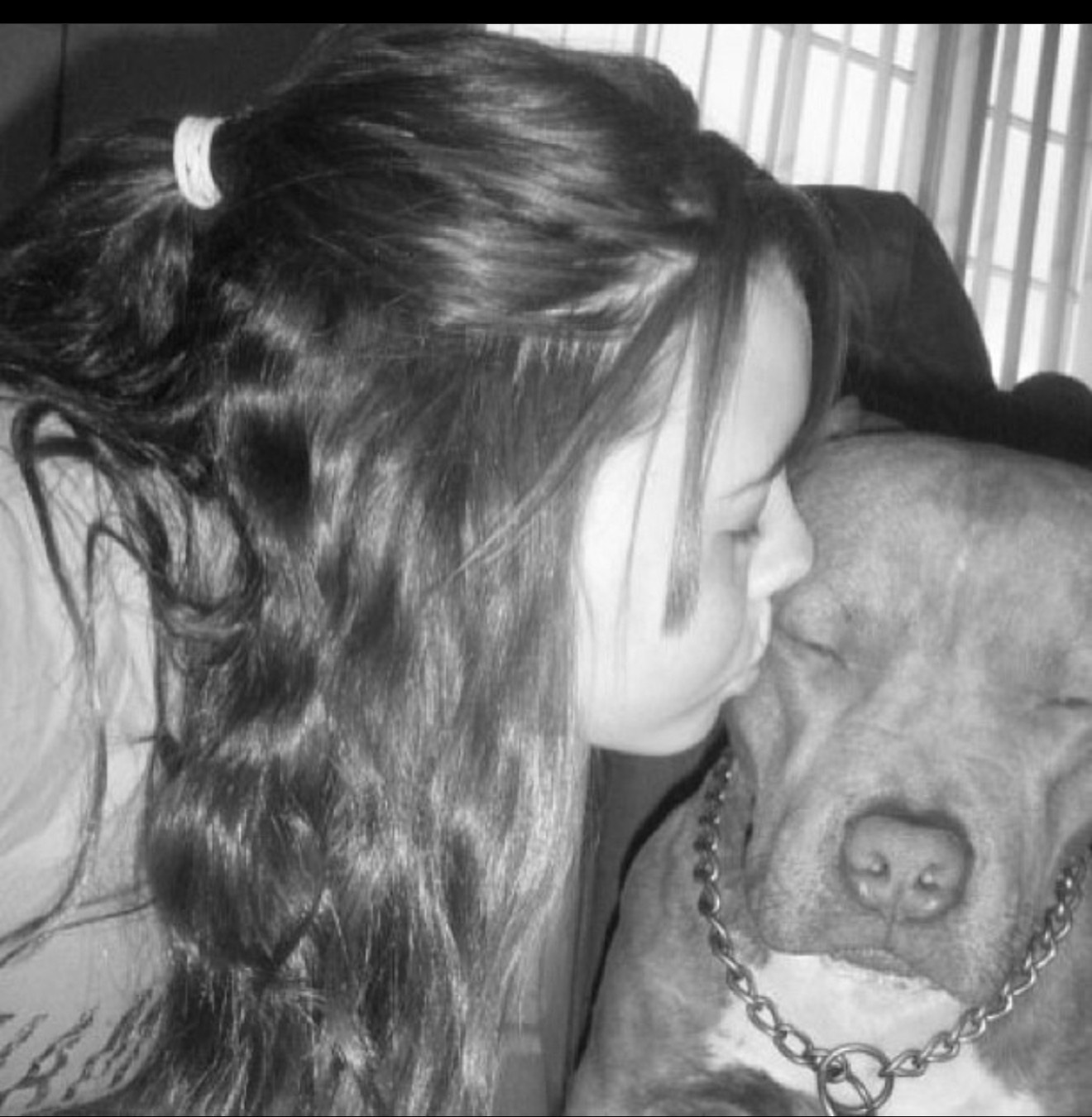
“It was like trying to see your way through mud,” Duncan said. “I was kind of on my own. I don’t want anyone to feel or experience that, be it through the loss of a child, parent, sibling, friend. They are all very unique individual losses.”
Jodie and her husband, Donnie, purchased the Raw Iron Powerlifting League in 2020. In addition to holding sanctioned powerlifting competitions, the couple, who own Raw Iron Gym in Mount Pleasant, began an annual charitable competition in Nycole’s honor, called Lifting the Stigma.
Typically, 70 to 80 lifters, ranging in age from 3 to 73, compete over two days while helping raise money for mental health and suicide prevention. The event offers lifters the opportunity to honor loved ones lost to suicide.
Upcoming “Lifting the Stigma” events are set for June 6 at the The Church at Azle near Fort Worth, and August 1-2 in Mount Pleasant at the Andy Williams Junior High gym.
In Anderson County, meanwhile, Kay continues to find refuge—and healing—in the outdoors.
The pain of losing Brian runs deep, but helping people in her community find support has been a blessing, she said. She’s seen grieving survivors find peace and joy as they share memories of loved ones lost.
“It’s just like a weight was lifted,” she said. “It just produced hope.”
Former Public Health Watch reporter Raquel Torres contributed to this report.
Mental Health Resources: If you or someone you know is in need of support, the national suicide and crisis hotline, 988 Lifeline, can be reached by dialing 988. Veterans can access help by dialing 988 and then pressing 1. The National Alliance on Mental Illness also offers the NAMI HelpLine with support and resources.
The post East Texas Hit Hard by Gun-Related Suicides appeared first on The Texas Observer.
About the Author

Discover more from USA NEWS
Subscribe to get the latest posts sent to your email.


