
Amid the visible human toll of the war, dogs are facing a quieter struggle as they are left behind on the frontlines and forced to navigate a harsh new reality.
Volunteers who have been rescuing them told Newsweek about the ingenuity and adaptation these animals are showing in a conflict that has upended their world.
“A huge number of pets were abandoned by people who were evacuating or fleeing the war. In some cases, owners even locked their pets in apartments for days,” said a rescue volunteer. “We had no choice but to force entry—breaking windows or doors—to reach and save them.”
The scale of abandonment is stark. Research by Save Pets of Ukraine, an initiative founded by Kormotech, showed that during the first nationwide census of animal shelters in January 2023, shelters and volunteer networks were caring for 25,799 dogs and 19,473 cats—most of them abandoned during conflict-driven evacuations.
“I live and rescue animals in the Mykolaiv region,” said volunteer Rescheteeva Maryna. “When military action began, animals were the first to suffer.”
Explosions remain particularly devastating. “The worst thing for animals is the sound of blasts, which causes panic and some dogs even die as their hearts give out.” Maryna said that the dogs’ sensitivity to threats has intensified. “They sense the approach of danger and begin howling, quarrelling and pacing long before the shelling begins, even reacting to sirens or the sound of drones overhead.”
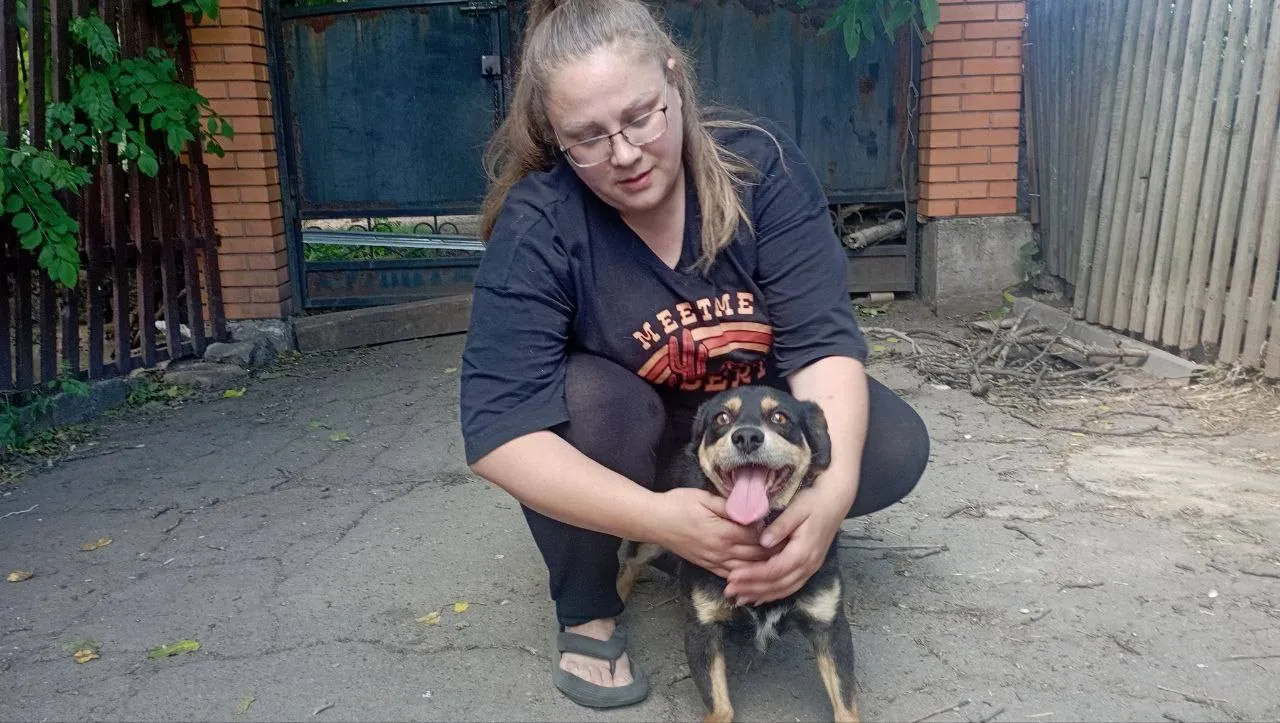
Penchuk Galina, a volunteer from Zelenodolsk in Dnipropetrovsk Oblast, has observed similar patterns. She has been rescuing animals for over 15 years. “From 2022 to 2023, our town was just 5kms from the frontlines,” she said. During that time, many of the animals brought in were abandoned and severely underfed—most arriving thin or emaciated, though their weight gradually returned to normal with consistent feeding.
What has changed more permanently, she said, is their behaviour. “Each animal reacts differently, but fear and panic are the common threads. Dogs often grow restless days before an attack. This can start three to four days in advance,” she explained, even when the eventual shelling occurs 50 to 70kms away or more.
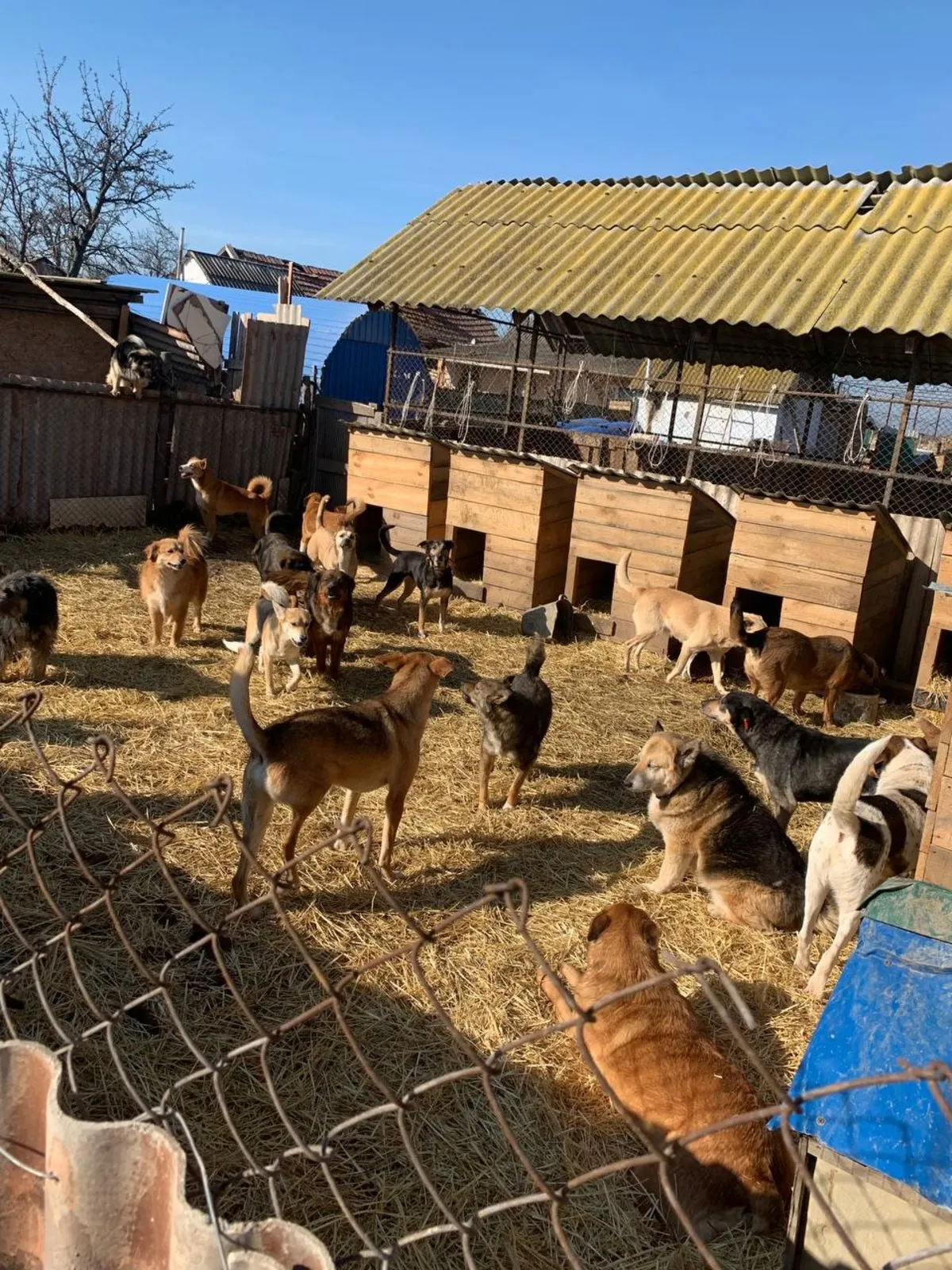
Responses vary. Some animals hide, others become visibly agitated, while a few react more actively. “One dog, Mulya, rescued from the Donetsk region, persistently barks toward the direction of the sound she detects.”
Galina recalled rescuing two hunting dogs from a partially destroyed village in Kherson. The first dog, Kai, was found frozen in a makeshift cage, weighing just 12kgs—less than half its normal weight. “It’s still very hard for me to remember those moments and experiences. I grabbed the dog and there was nothing but bones.” Nearby, a female Kurzhaar named Gerda, blind and wounded, huddled desperately for warmth. Both had been abandoned by their owner after the village was liberated, surviving only on scraps fed by soldiers.
Galina and her husband, Vladimir, rushed the dogs home, 50kms away, with no veterinary clinic in sight. “I sobbed the whole way. The dog was dying, he no longer moaned,” she recalled. “We thought we would have to bury him at home.” Using blankets, hot water bottles, and careful feeding, they nursed the first dog through the night. “We also gave him subcutaneous drops and tried to get him to drink warm water from a syringe. Miraculously, he survived. I couldn’t believe it,” Galina said. Gerda recovered as well and lived peacefully with them for two years, passing away naturally in the sun.
Data from Ivan Franko National University of Lviv suggests that dogs living near the frontlines are undergoing noticeable physical changes, losing domestic traits and reverting to wild-type characteristics—like upright ears and leaner frames—to survive the freezing temperatures and explosives.
Alongside these physical shifts, volunteers report striking behavioural adaptations. Many dogs have begun forming packs, hunting for food, and navigating war-torn streets with surprising precision. Some have even taken on more active roles, such as being trained for search and rescue operations, tracking survivors near battlefields, and helping emergency services. Maryna observes, “they’re learning survival skills fast, sometimes faster than humans can keep up.”
Although it is emotionally difficult for animals to understand why they were abandoned, why explosions happen, or how scary it all is, they still respond with intuition. “Our dogs saved us from shelling more than once, sensing the threat before we even hear it coming,” Galina said.
The volunteers cannot monitor the physiological changes of the animals, since most of them were evacuated from the combat zone and they have not seen them in peacetime. Yet, they display constant emotional stress, anxiety, fear of loud noises, disrupted sleep, and clinging to humans, all signs of the lasting impact of their experiences.
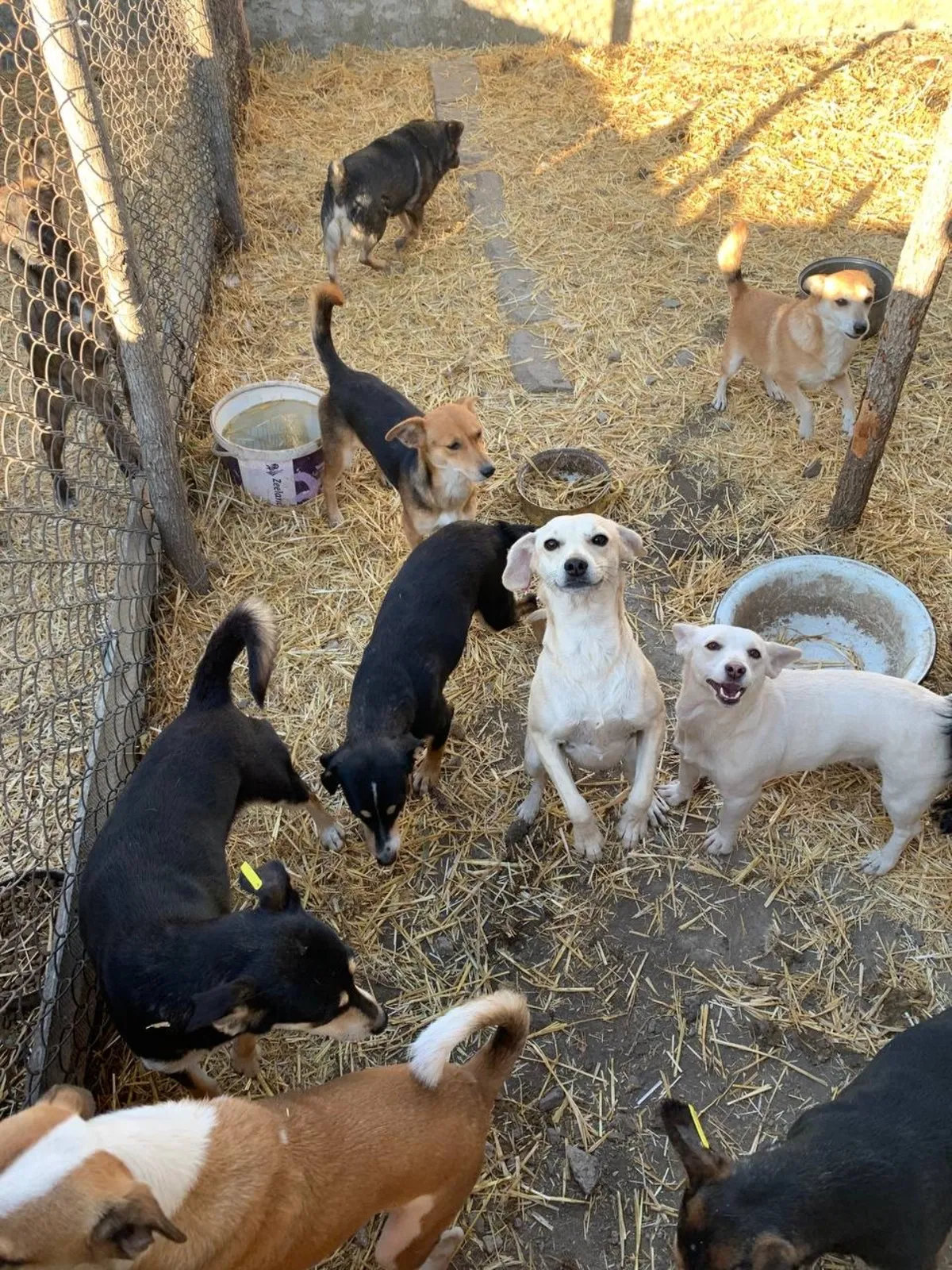
Rescue efforts, however, are often constrained by limited resources. “The hardest part is that there isn’t always enough money for essential things like food, vaccines and medicine,” Maryna added.
Worse still, cases of animal cruelty have increased in recent times. Maryna worries that once the war ends and the country faces a wave of social problems, animal protection may be pushed aside. “People, emboldened by a sense of impunity, may become even more vicious and merciless toward animals,” she said.
Amid this growing peril, Galina’s fears are intensely personal. “I’m afraid of what will happen to the animals if I’m gone. Many of them are simply doomed. I’m 47 now, no longer in my 20s, when I could work faster and handle more. I have no physical help except my husband, who is already 63,” she said. “How long can we keep going, knowing that with each young animal we take in, we commit to at least another 12 years of care?”
Despite the chaos, Maryna stresses that animals remain remarkably loyal. “They want to be with families and are ready to give their love and devotion.”
About the Author

Discover more from USA NEWS
Subscribe to get the latest posts sent to your email.


