
The Iran war and the broader energy shock tied to disruptions in global oil markets have pushed some countries to take steps to conserve fuel and stabilize supplies. In the Philippines, President Ferdinand Marcos Jr. declared a state of national energy emergency this week, warning of the “imminent danger” of a critically low energy supply.
Why It Matters
The Iran war has killed more than 3,000 people across the region, with the vast majority of reported deaths in Iran and more than a thousand in Lebanon, along with casualties in Israel and neighboring Gulf countries. Beyond the human toll and direct military costs, the conflict has also jolted the global economy, especially energy markets, sending up oil prices as fears grow over disruptions to supplies and shipping routes.
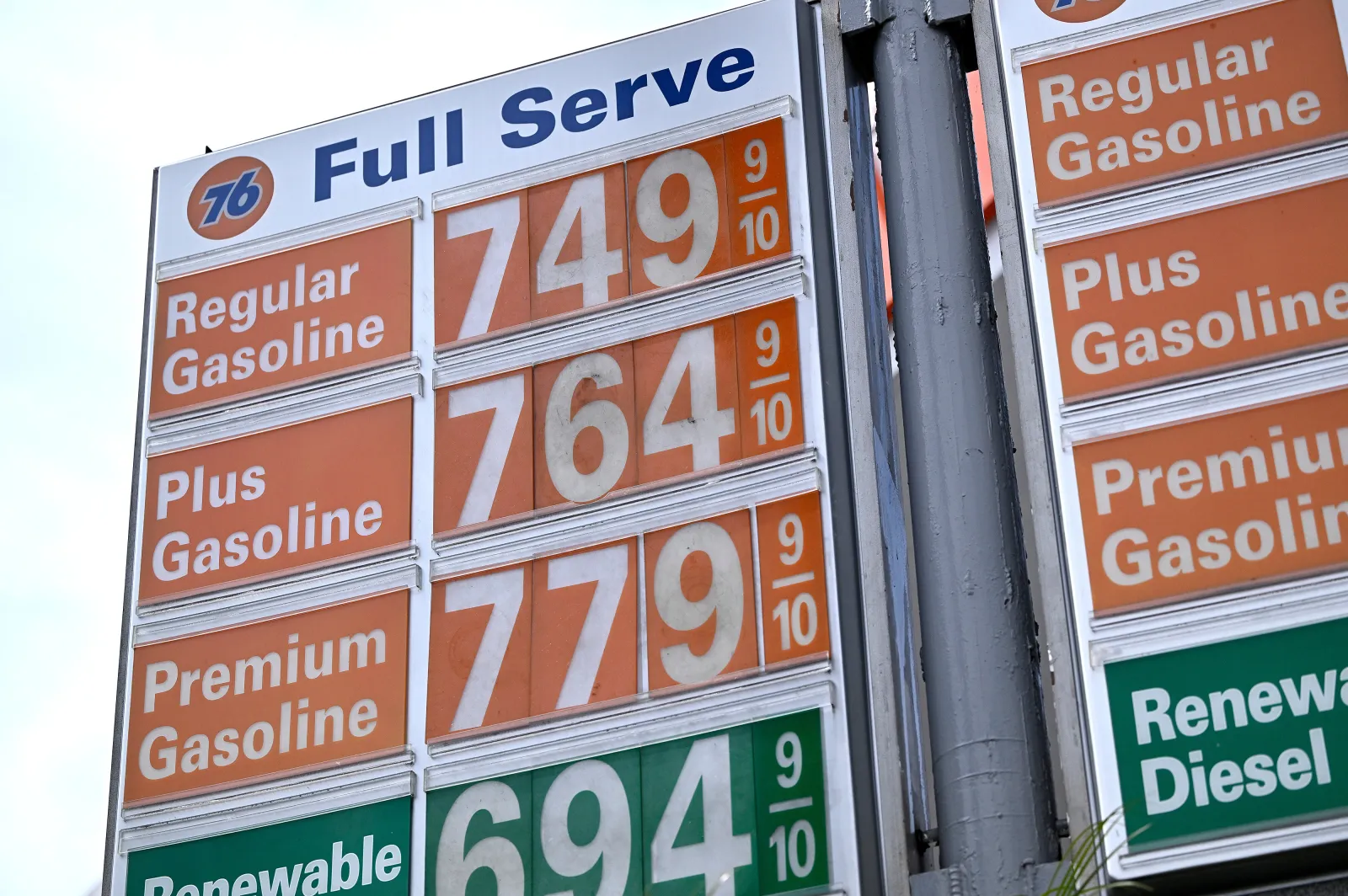
The price of Brent crude—the international benchmark—has soared to over $100 per barrel, at $112.57 as of Friday. Energy markets reacted immediately after Iran curtailed traffic through the Strait of Hormuz, a corridor that handles about 20 percent of the world’s oil.
What To Know
On Tuesday, the Philippine government said the national energy emergency declaration is “anchored” in the war that has “heightened geopolitical tensions in the region that plays a critical role in global oil production and transportation, creating uncertainty in global energy markets, severe disruptions in supply chains, and significant volatility and upward pressure on international oil prices, thereby posing a threat to the country’s energy security.”
The U.S. has struck military targets on Kharg Island and floated the possibility of seizing the island, which handles about 90 percent of Iran’s oil exports and is central to Tehran’s energy lifeline. The Strait of Hormuz, which has largely been closed, is a narrow, yet incredibly strategically important waterway connecting the Persian Gulf to the Gulf of Oman and the Arabian Sea. At its narrowest point, the strait is about 21 miles wide. Around 20 percent of global oil trade passes through the strait, with any disruption often spiking global prices.
More than 80 percent of the crude oil and liquefied natural gas that passes through the Strait of Hormuz is bound for Asia, according to the U.S. Energy Information Administration, making the region particularly vulnerable to ongoing disruptions in the vital shipping lane.
South Korean President Lee Jae Myung on Tuesday called for a nationwide energy-saving campaign amid risks to oil and gas supplies from the war, urging shorter showers, daytime charging of electronics and weekend use of household appliances. The government also said it would ask the country’s top 50 oil-consuming businesses to reduce energy use.
Other countries, like Vietnam, are limiting flights due to high fuel prices. The country’s national air career is suspending around two dozen flights a week in April.
“The limited supply of aviation fuel (Jet A-1) due to the conflict in the Middle East has put domestic airlines at risk of fuel shortages,” Vietnam’s civil aviation authority said in a Monday statement.
The island country of Sri Lanka shifted to a four-day working week, as the country, with half of its electricity generated by coal and diesel, works to sort its energy supplies. The country has also worked to save electricity consumption by turning off street lights and signs.
In Egypt, shop owners and restaurateurs have been ordered to close early, with businesses required to shut by 11 p.m. for the next month, and street lighting will also be reduced. The country’s prime minister, Mostafa Madbouly, said that Egypt’s petroleum bill had more than doubled from January to March.
The International Energy Agency (IEA) released a record amount of 400 million barrels of oil from strategic stockpiles to deal with the crisis this month.
What People Are Saying
Mark Zandi, chief economist at Moody’s Analytics, previously told Newsweek: “Recession risks are uncomfortably high and rising due to the hostilities with Iran, severe disruptions in global energy production, and surging oil and other commodity prices.”
Japan’s Prime Minister Sanae Takaichi said earlier this week: “We began releasing privately held reserves on March 16 and will begin releasing national reserves from the 26th. Furthermore, releases from jointly held stockpiles with oil-producing countries are also scheduled to begin later in March.”
In a March 12 Truth Social post, President Donald Trump wrote: “The United States is the largest Oil Producer in the World, by far, so when oil prices go up, we make a lot of money.”
Lucas Boehlé, an energy analyst at the International Energy Agency, said this month: “It’s important to recognize that it’s often the poorest parts of the population within countries who are hit hardest by crises like these.”
What Happens Next
Energy markets are expected to remain volatile as the war continues to disrupt global supply.
In a polarized era, the center is dismissed as bland. At Newsweek, ours is different: The Courageous Center—it’s not “both sides,” it’s sharp, challenging and alive with ideas. We follow facts, not factions. If that sounds like the kind of journalism you want to see thrive, we need you.
When you become a Newsweek Member, you support a mission to keep the center strong and vibrant. Members enjoy: Ad-free browsing, exclusive content and editor conversations. Help keep the center courageous. Join today.


About the Author

Discover more from USA NEWS
Subscribe to get the latest posts sent to your email.


