
As a heat wave swept across the Southwest over the weekend, and with another round of higher temperatures expected, millions of scorpions and rattlesnakes are emerging earlier than usual, prompting warnings for pet owners.
The warmer temperatures are causing these critters to become active sooner in the year, increasing the risk of stings and bites for pets spending time outdoors. Newsweek previously reported scorpion peak season occurs from April to October, but with temperatures already soaring to 100 degrees, these critters are emerging earlier.
“Rattlesnake and scorpion activity is highly dependent on temperature,” Heather Doss, community outreach coordinator with Arizona Poison and Drug Information Center (AZPDIC), told Newsweek via email. “As temperatures begin to warm, critters will naturally become more active.”
Data from AZPDIC show the scale of the seasonal risk. The center managed nearly 1,300 bite and sting cases in 2025, with incidents peaking during the hottest months of the year. Scorpions accounted for the largest share of exposures, with 734 cases reported, followed by 181 involving rattlesnakes. Meanwhile, the Phoenix area has already handled 10 reported rattlesnake-bite cases, and 237 scorpion stings this year.
Arizona Bark Scorpions
Dogs often recover from scorpion stings, but Doss warned about the dangers of Arizona Bark scorpions, which carry a neurotoxic venom that can cause severe reactions in pets. These are the only scorpion species considered venomous to pets, according to the Pet Poison Hotline.
Typical symptoms include pain, swelling, and numbness. More serious reactions may involve difficulty breathing, muscle tremors, or unsteadiness when walking. But Doss said these severe effects might not happen in every case.
“A smaller pet may be more at risk for severe symptoms due to size,” she said. “It is advised that people contact the poison control center if their pet is stung by a scorpion or seek medical attention from a vet immediately if their pet is experiencing severe symptoms.”
The American Society for the Prevention of Cruelty to Animals’ (ASPCA) toxicology team told Newsweek via email that scorpion stings in pets are relatively rare, with most reports coming from Arizona, California, New Mexico, Nevada, Texas and Utah.
“For the reports we have received, patients have shown pain, and treatment is pain medication,” the team said. “We really haven’t seen the neurological signs that can happen in people.”
Safety Tips for Pet Parents
Extremely hot weather already counts as a danger to dogs on walks, as they can burn their paws or experience heat exhaustion. But now, owners should be cautious of the earlier emergence of scorpions and rattlesnakes.
“When walking outdoors, be aware of your surroundings/watch for any critters,” Doss said. “Stay on marked pathways or trails.”
Before letting your pet out in the yard, do a sweep of the outdoor spaces to check for scorpions or rattlesnakes. Check by bushes, under patios or decks, as these critters will seek shade. Use a flashlight during dawn and dusk to light your path.
If you do encounter a rattlesnake on your property, call the local fire department for relocation services, free of charge, Doss said. The ASPCA toxicology team urged owners to call their veterinarian if they suspect their pet was stung by a scorpion. The Pet Poison Helpline is also available for a one-time consultation fee.
Snake Risks for Dogs
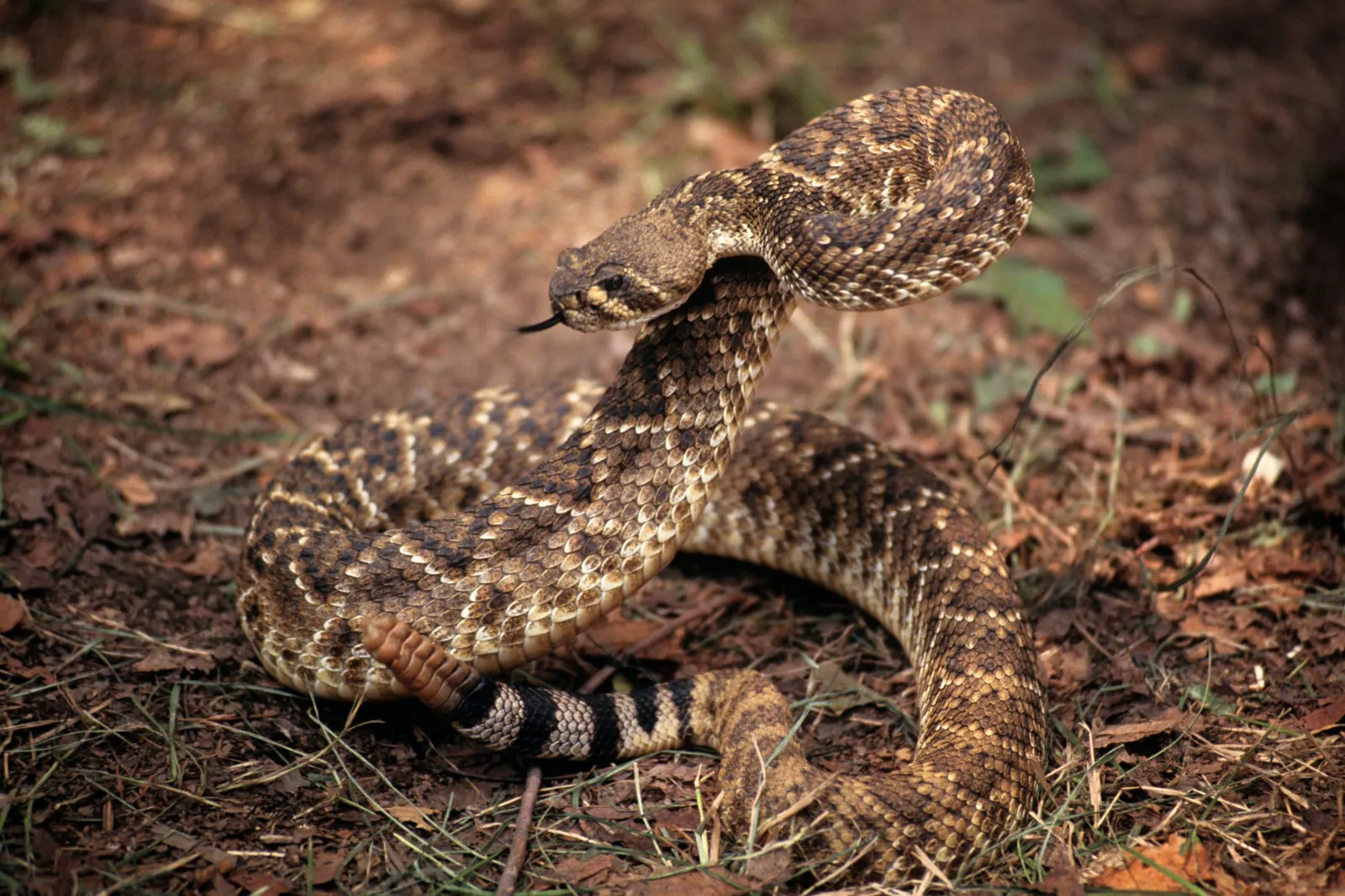
Snakes also pose a risk during heat waves. In the U.S., the four venomous snakes are Coral snakes, water moccasins, copperheads and rattlesnakes, with the latter being the largest found in the country, according to the ASPCA.
Rattlesnakes can strike from a distance of up to one-third of their body length. Their bites happen quickly, particularly in areas with heavy brush, rocky terrain or desert landscapes. The bites are typically extremely painful and can cause significant tissue damage.
Doss said rattlesnakes are usually most active during cooler parts of the day, like early mornings or late evenings, with encounters typically occurring in shaded areas or near natural cover where snakes take shelter from the sun.
Experts advise the best way to reduce the risk is through prevention. Keeping dogs on a leash during walks and staying on well-worn trails can help owners spot potential hazards before a pet investigates areas like dense vegetation or rock crevices where snakes may hide.
If a dog is bitten, time is critical. Pet owners should seek veterinary care immediately rather than attempting home first aid measures, which are unlikely to help and could delay lifesaving treatment. With prompt medical care, most pets recover, though snake bites can be fatal—particularly when treatment is delayed or when bites occur on the chest or tongue.
With millions of scorpions already on the move and rattlesnakes becoming more active as temperatures rise, experts agree that vigilance is key for pet owners.
About the Author

Discover more from USA NEWS
Subscribe to get the latest posts sent to your email.


