
An experienced athlete and mountain rescuer had her life changed forever after developing frostbite during a ski race, despite doing everything she could to protect her hands.
Shana Light, 45, is no stranger to wintry conditions, as she told Newsweek that she and her family ski “at least once or twice a week.” She loves competing and pushing herself, which is why she wanted to take part in a ski mountaineering race in the Aspen Snowmass area.
The morning of the race was incredibly cold, according to Light, of Marble, Colorado. She knew the conditions were dangerous so she did everything to protect herself.
“I wore warm, dry mittens, used disposable hand warmers, and my race partner loaned me her electronic hand warmers and opened my gel packets so I could keep fueling without exposing my fingers for long,” Light said.
Around five miles into the race, Light had gear problems that required taking her hands out of the mittens. She ensured her hands were still pink each time however, but then the situation changed at around mile nine. However, her fingertips soon turned “a dusky gray color” that progressed to shades of deep purple and black.
“That change, plus profound numbness, was the red flag that made us drop out immediately. I did everything to protect my hands, and they still went from pink to gray to black in just a few miles,” Light said.
“We notified a race official, and I went to the nearest lodge bathroom to rewarm my fingers carefully under warm (not hot) water, expecting them to pink up. They didn’t improve much, and a ski patroller agreed I needed to go to the hospital.”
As it turned out, Light’s situation was far more severe and just hours later she was on a helicopter to a specialist burn unit in Denver. She was given tissue plasminogen activator (tPA) to break down blood clots and restore blood flow.
Scans revealed that the frostbite impacted all 10 of Light’s fingers and doctors warned that she might lose parts of multiple digits, including her index fingers and thumbs. It was a horrifying moment for Light to hear that amputation was a very probable outcome.
Frostbite is the freezing of the skin and underlying tissues which leads to a cold feeling, numbness, and as it gets worse, the affected skin may change color. Additional symptoms may include tingling, blisters, shivering, drowsiness and slurred speech, according to the Mayo Clinic.
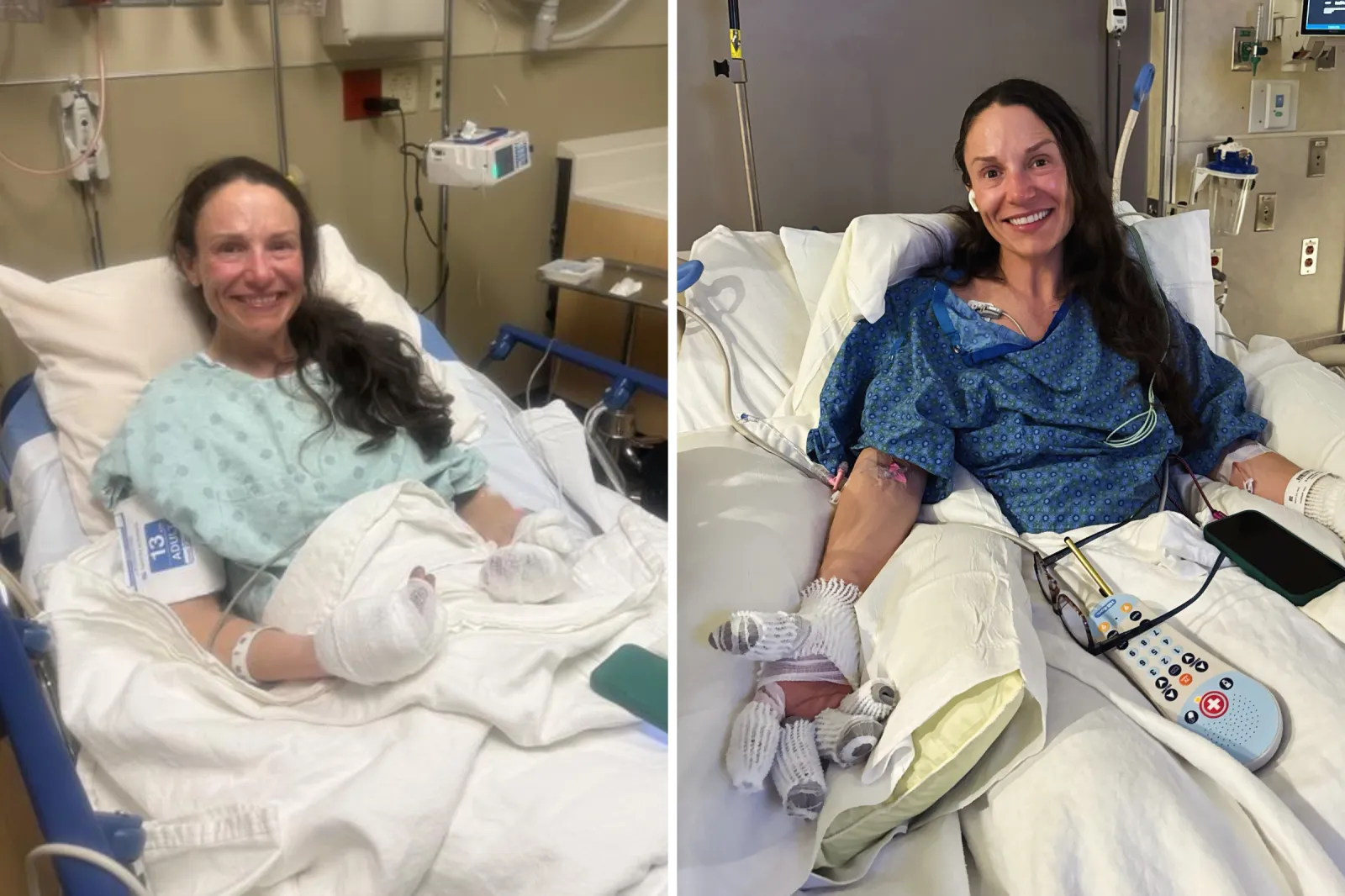
Light was on bedrest in the burn unit for 24 hours, and once stable, she was discharged but would nonetheless be closely monitored. Her fingers were heavily bandaged for protection and she couldn’t use her hands.
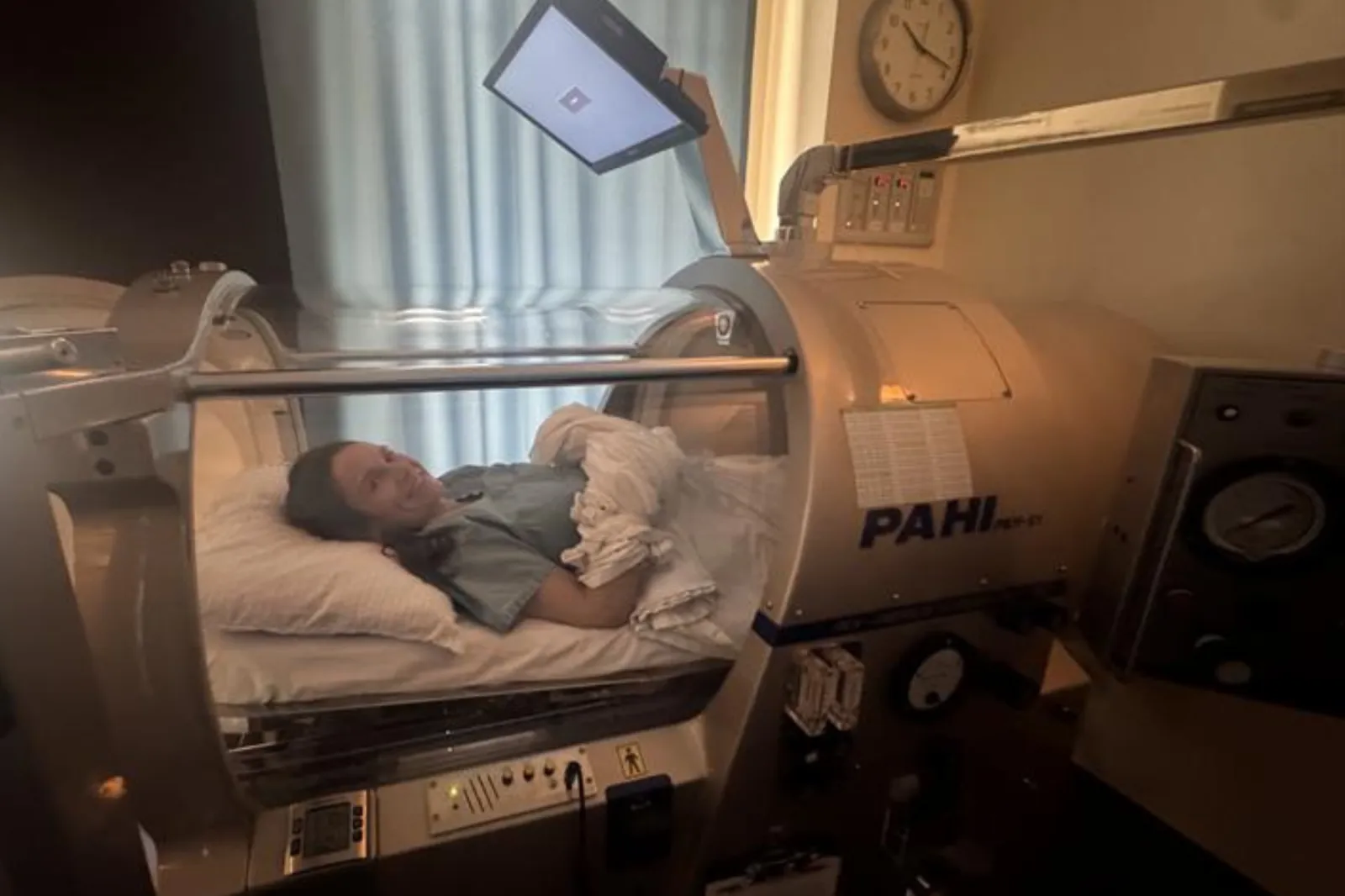
Treatment involved hyperbaric oxygen therapy and Light saw gradual improvements with each session. It was “incredibly motivating” every time she saw her fingers regain some of their pink coloring. Light was also given medication for nerve pain and consumed a high-protein diet throughout her recovery.
“Losing functionality in my hands so abruptly was one of the hardest parts of this experience,” Light told Newsweek. “I went from an independent, outdoorsy mom and nurse practitioner to someone who couldn’t put on socks. I’m not someone who wandered into the mountains unprepared. I’m an experienced wilderness athlete and a member of search and rescue. That’s part of what makes this so sobering.”
By the second week, a second bone scan showed that blood flow to the fingertips was significantly improved, suggesting that amputation may not be required after all. Light also felt more sensation in her fingers (mostly in the form of pain), suggesting that her circulation was improving. They were only minor changes at first, but they gave Light hope and motivation to stay committed during treatment.
Much of the dead tissue has now been removed and there is healthy skin growing underneath. Light still has many open wounds that are gradually closing, and her thumbs still have a long way to go, but she’s so thankful for all the progress.
“Sensation has returned to most of my fingers, which is wonderful, but comes with a lot of nerve pain, burning, and electric shocks, as well as significant sensitivity. I’m still in hand therapy to work on motion, strength, and desensitization, and I expect months of rehab ahead,” Light said.
“The long‑term effects are still unfolding, but I anticipate some degree of chronic sensitivity to cold, altered sensation, and stiffness. We started out talking about losing multiple fingers, but because of fast treatment and specialized care, I may keep them all.”
Light hopes that with continued patience and rehabilitation, she can return to practicing medicine one day and even get back to the outdoor activities she enjoys. The mom-of-two shared her experience on Instagram (@sslurp) to educate people on the risks of frostbite and to give others hope that it can get better.
Severe frostbite can cause lifelong complications, especially if it isn’t addressed swiftly. As a result, Light hopes her experience will highlight the significance of taking action and seeking immediate medical attention.
“If you’ve had significant cold exposure and notice numbness, color changes, blisters, or loss of sensation, do not wait,” Light told Newsweek. “The recovery process is long, painful, and humbling, but it’s also full of small victories. If my story makes even one person seek care sooner, then something good came out of a very hard winter.”
Is there a health issue that’s worrying you? Let us know via health@newsweek.com. We can ask experts for advice, and your story could be featured on Newsweek.
https://platform.instagram.com/en_US/embeds.js
About the Author

Discover more from USA NEWS
Subscribe to get the latest posts sent to your email.


