
The United States nuclear-capable bomber fleet saw its capabilities bolstered when a B-2 stealth aircraft—the same type used to strike Iran in June—that was significantly damaged in an incident four years ago returned to flight duties last month after repairs.
The U.S. Air Force said the return of the aircraft, the Spirit of Georgia, is essential to maintaining readiness, as greater B-2 stealth bomber capacity provides additional strategic and lethal deterrence options for the national command authority.
Why It Matters
The B-2 is one of two U.S. bombers capable of delivering nuclear strikes—along with the non-stealth B-52H—and serves as the air component of the country’s nuclear triad, providing what the Pentagon describes as “continuous deterrence” against adversaries.
Unlike the legacy B-52H bombers, which have 46 aircraft tasked with nuclear missions, only 21 B-2 bombers were built, with two lost and retired from service in 2008 and 2022, according to the Federation of American Scientists’ Nuclear Information Project.
Repairing the Spirit of Georgia became an urgent task because the B-2 has the unique ability to penetrate the most sophisticated defenses using its low-observable characteristics, as demonstrated in strikes on Iranian underground nuclear facilities in June.
What To Know
The Spirit of Georgia was damaged when it landed at Whiteman Air Force Base in Missouri—the only base of the B-2 bomber fleet—on September 14, 2021, the U.S. Air Force Life Cycle Management Center said in a Wednesday press release.
The incident was caused by the failure of the aircraft’s left main landing gear, which collapsed during landing and caused the left wing to scrape the runway. Follow-up inspections showed damage to the left main landing gear bay and lower wing area.
The bomber’s four-year recovery, which the Air Force called “long and complex,” began with a ferry flight from its home base to a facility in Palmdale, California, where its manufacturer, Northrop Grumman, performed “permanent structural repairs.”
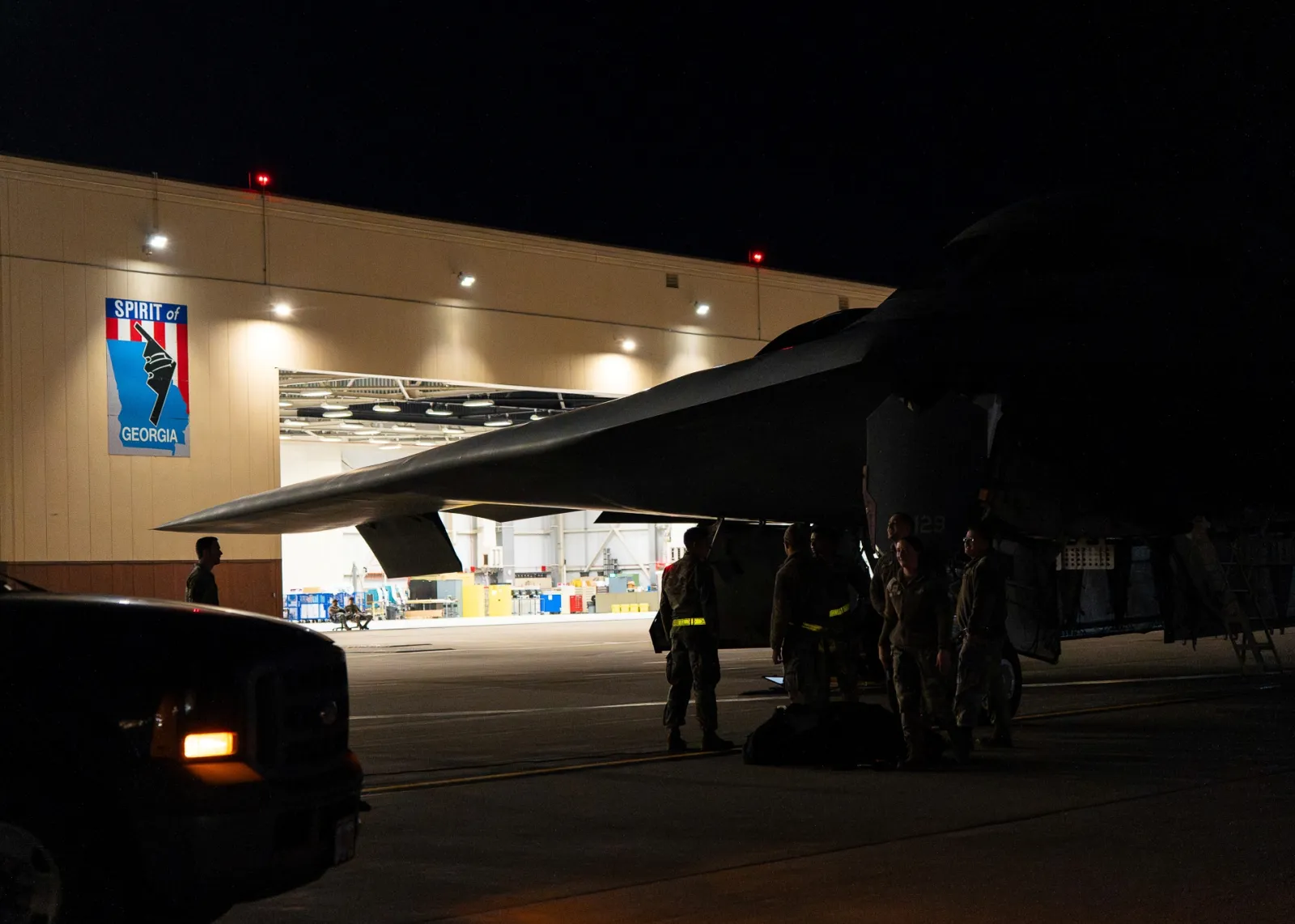
Following extensive inspections and temporary repairs, the Spirit of Georgia flew to Palmdale on September 22, 2022—about a year after the incident—where it underwent a “carefully planned” four-phase, $23.7-million approach for permanent repairs.
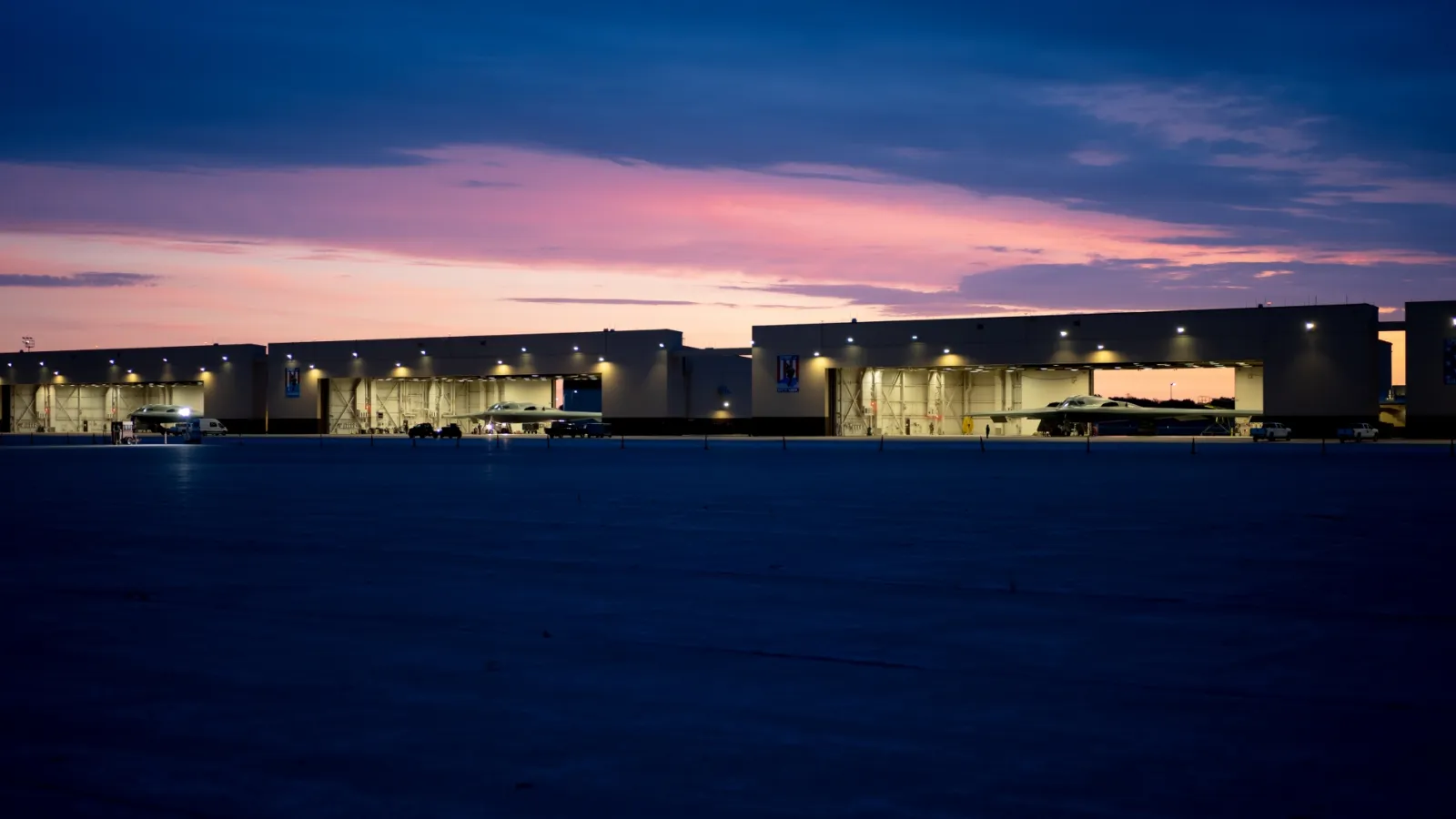
The bomber completed its repairs by May 12 and rejoined the rest of the B-2 fleet—each aircraft is valued at approximately $2 billion—on November 6. An official photo shows the plane parked outside its designated hangar at Whiteman Air Force Base.
As the Spirit of Georgia returned to service, the B-2 bomber fleet continued to maintain its readiness for conventional and nuclear strike missions. In late October, B-2s participated in Global Thunder 26, an annual nuclear command-and-control exercise.
What People Are Saying
The U.S. Air Force Life Cycle Management Center said: “[The return of the Spirit of Georgia] enhances the fleet’s operational capabilities and strategic deterrence. The availability and effects of deep penetrating strike make the B-2 one of the most important capabilities in our arsenal. The severe degradation of Iran’s nuclear program and ensuing ceasefire post-Operation Midnight Hammer is proof.”
What Happens Next
The B-2 bomber fleet, which first flew in July 1989 and has been in service since April 1997, will be replaced by the more capable B-21 stealth aircraft. The second B-21 flight-test aircraft arrived at Edwards Air Force Base in California in September.
About the Author

Discover more from USA NEWS
Subscribe to get the latest posts sent to your email.


