
If you’re into making wishes on shooting stars, this may be your week.
The Lyrids should produce between 15 and 20 meteors per hour.
The annual Lyrid meteor shower, which is active through April 25, will peak Tuesday night. The meteors will emanate from near the constellation Lyra, which is where the meteor shower’s name comes from.
Specifically, look for the star Vega, part of Lyra and one of the brightest bodies in the night sky. It will rise above the northeastern horizon shortly after 9 p.m. and rise high in the sky after midnight.
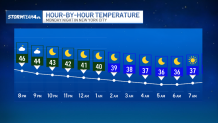
While the peak of the meteor shower is Tuesday night, the best viewing will probably come Monday night, when skies are clearer. It’ll be cold, though, with low temperatures dropping to below freezing away from the city, so bundle up if you plan to head out stargazing.
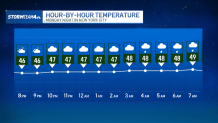
Tuesday night may produce more meteors, but clouds will move in and make viewing impossible.
For best viewing, you’ll want minimal light pollution. That means steer clear of city lights. Also, wait until the moon sets (just after midnight Monday night) so that the sky is as dark as possible.
About the Author

Discover more from USA NEWS
Subscribe to get the latest posts sent to your email.


